


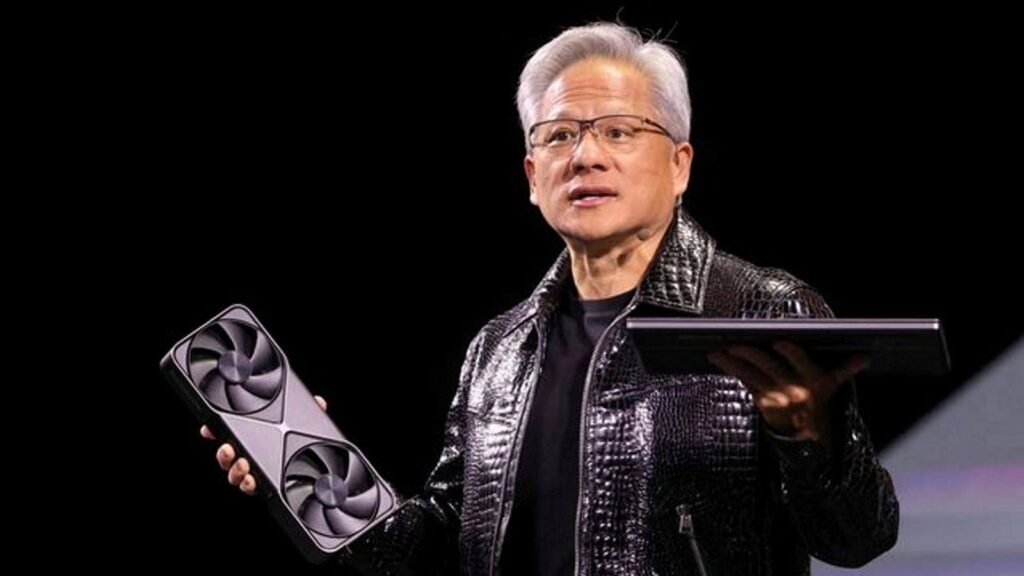
Artificial Intelligence (AI) has rapidly evolved from a niche field into a cornerstone of modern industry, revolutionizing sectors from healthcare to finance. At the heart of this transformation are visionary leaders who have harnessed AI’s potential to drive innovation and achieve remarkable success. This article delves into the journeys of some of these pioneers, highlighting their contributions, strategies, and the broader impact of AI leadership.
Jensen Huang: Architect of the AI Revolution
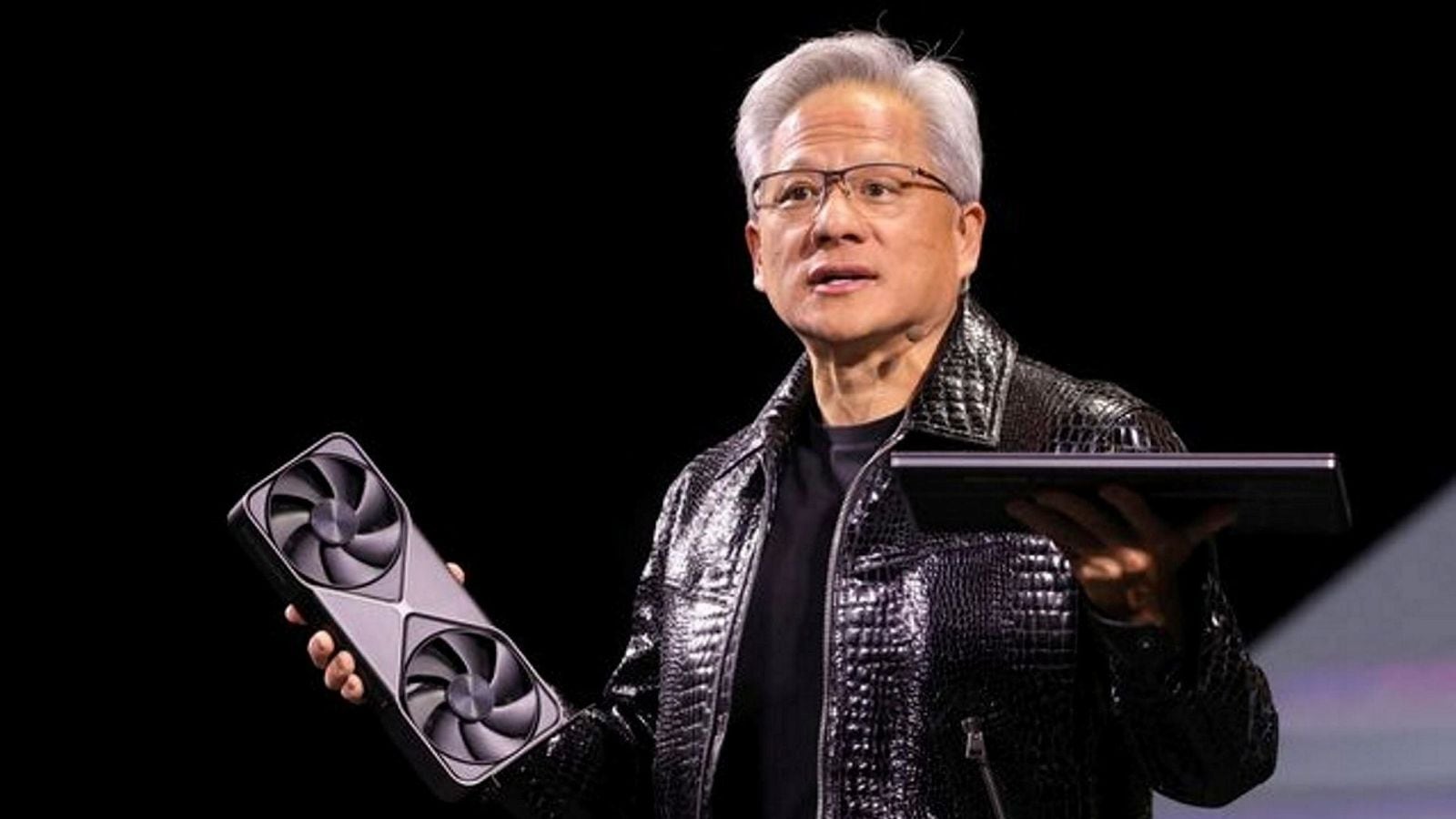

Jensen Huang, co-founder and CEO of NVIDIA, has been instrumental in shaping the AI landscape. Established in 1993, NVIDIA initially focused on graphics processing units (GPUs) for gaming. Recognizing the parallel processing capabilities of GPUs, Huang pivoted the company’s strategy towards AI and high-performance computing. This foresight positioned NVIDIA at the forefront of the AI boom, with its GPUs becoming essential in training complex AI models.
Under Huang’s leadership, NVIDIA’s market capitalization soared, reaching $3 trillion in 2024, surpassing tech giants like Microsoft and Amazon. This remarkable growth underscores the critical role of strategic vision in AI leadership. Huang’s emphasis on innovation and adaptability has not only transformed NVIDIA but also accelerated advancements across various industries reliant on AI technology.
Fei-Fei Li: Democratizing AI Through Vision


Fei-Fei Li, a renowned computer scientist, has made significant strides in making AI more accessible and human-centered. As a professor at Stanford University, she co-created ImageNet, a vast visual database instrumental in advancing deep learning and computer vision. This initiative led to breakthroughs in image recognition, enabling machines to interpret visual data with unprecedented accuracy.
Beyond her technical contributions, Li co-founded AI4ALL, a nonprofit organization dedicated to increasing diversity and inclusion in AI education. By empowering underrepresented groups, Li is shaping a future where AI development benefits from a multitude of perspectives, fostering innovation and ethical considerations in technology.
Alexandr Wang: Accelerating AI Development


At a young age, Alexandr Wang identified a critical bottleneck in AI development: the need for high-quality training data. In response, he founded Scale AI, a company specializing in data annotation to accelerate AI model training. Scale AI’s services have been pivotal for organizations requiring precise data labeling, thereby expediting their AI initiatives.
Wang’s leadership propelled Scale AI to a valuation of $7.3 billion, making him one of the youngest self-made billionaires. His story exemplifies how addressing specific challenges within the AI ecosystem can lead to substantial advancements and commercial success.
Liang Wenfeng: Leading China’s AI Ambitions


Liang Wenfeng, founder of DeepSeek, has been a driving force in positioning China as a global AI leader. Under his guidance, DeepSeek developed the R1 model, which has significantly impacted the AI market, narrowing the technological gap between China and other leading nations. Wenfeng’s leadership reflects the importance of fostering a vibrant entrepreneurial ecosystem supported by government and industry collaborations.
Panos Panay: Transforming User Experiences with AI


As the Senior Vice President of Devices and Services at Amazon, Panos Panay has been instrumental in overhauling Alexa’s capabilities. The introduction of Alexa Plus represents a significant leap in natural language processing, enabling more complex and intuitive user interactions. Panay’s focus on integrating multiple AI models showcases the importance of cohesive leadership in driving technological innovation within established corporations.
The Impact of AI Leadership on Business Performance
Effective AI leadership correlates with substantial business performance improvements. A study by the MIT Center for Information Systems Research found that large enterprises with digitally savvy leadership teams outperformed comparable companies by over 48% in revenue growth and valuation. This statistic underscores the tangible benefits of integrating AI into corporate strategy under informed leadership.
Inspirational Perspectives on AI
Thought leaders in AI offer valuable insights into the technology’s trajectory and its implications:
-
Stephen Hawking cautioned, “The development of full artificial intelligence could spell the end of the human race.”
-
Mark Cuban, an American entrepreneur and investor, emphasized, “Artificial intelligence, deep learning, machine learning—whatever you’re doing if you don’t understand it—learn it. Because otherwise, you’re going to be a dinosaur within three years.”
These perspectives highlight the dual nature of AI as a transformative force that requires careful and informed leadership to navigate its challenges and opportunities.
The stories of these AI leaders illustrate the profound impact of visionary leadership in harnessing artificial intelligence. Their ability to identify opportunities, drive innovation, and address ethical considerations serves as a blueprint for others aspiring to lead in the AI era. As AI continues to evolve, the role of informed and strategic leadership will be paramount in shaping a future that leverages technology for the greater good.